PoltExpert Home

Category

Elections & Voting

7 articles

The Big Few: How a Handful of Political Mega-Firms Now Decide How America Campaigns

The Big Few: How a Handful of Political Mega-Firms Now Decide How America Campaigns

The political consulting industry has undergone a quiet but dramatic consolidation over the past decade. A small number of dominant firms now control campaign strategy, media buying, polling, and voter targeting across the majority of competitive federal races—creating a concentration of electoral power with profound implications for democratic competition and political accountability.

Measuring or Manufacturing? The Hidden Power of Political Polling in American Elections

Measuring or Manufacturing? The Hidden Power of Political Polling in American Elections

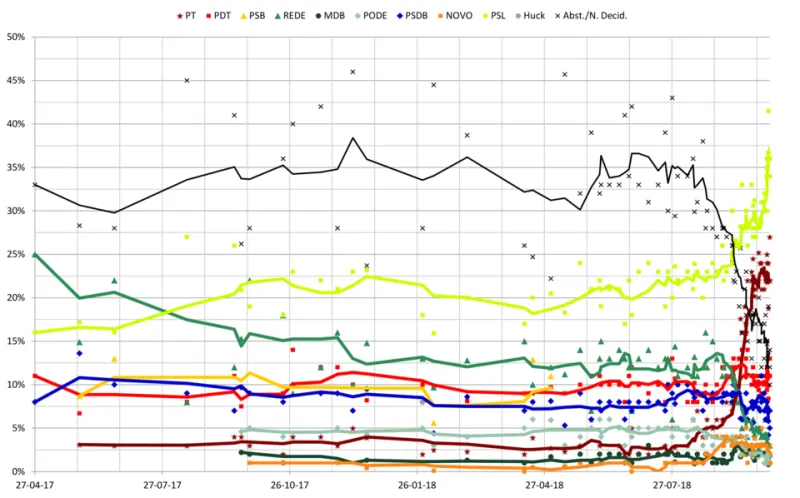
Political pollsters present themselves as neutral scientists taking the temperature of the electorate, but their methodological choices, client relationships, and strategic timing of releases wield enormous influence over the very races they claim to simply observe. When the same firms serve campaigns, media organizations, and advocacy groups simultaneously, the line between measurement and manipulation becomes dangerously thin.

Winning Either Way: The Political Consultants Who Profit No Matter Who Loses

Winning Either Way: The Political Consultants Who Profit No Matter Who Loses

A small class of elite political strategists has mastered the art of hedging their bets across party lines, advising competing candidates and causes while collecting fees from both. The result is a shadow industry where loyalty is transactional, information is currency, and the consultant almost always comes out ahead — regardless of what voters decide.

Wink and Nod: How Outside Groups and Campaigns Coordinate Without Ever Technically Talking

Wink and Nod: How Outside Groups and Campaigns Coordinate Without Ever Technically Talking

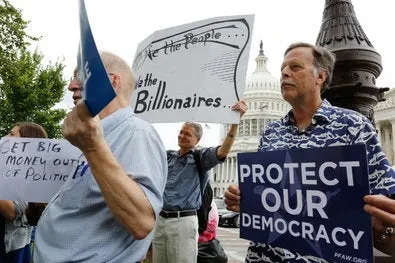
Federal election law prohibits campaigns from coordinating with outside spending groups — but a sprawling ecosystem of dark money organizations has mastered the art of working in perfect lockstep without ever crossing that legal line. Through strategic ad timing, shared consultants, and publicly posted "opposition research," campaigns and their allied super PACs have effectively rendered the coordination ban a polite fiction. The result is a shadow campaign finance system that operates in broad

Drawn to Win: The Data-Driven Science of Rigging the Map Before a Single Vote Is Cast

Drawn to Win: The Data-Driven Science of Rigging the Map Before a Single Vote Is Cast

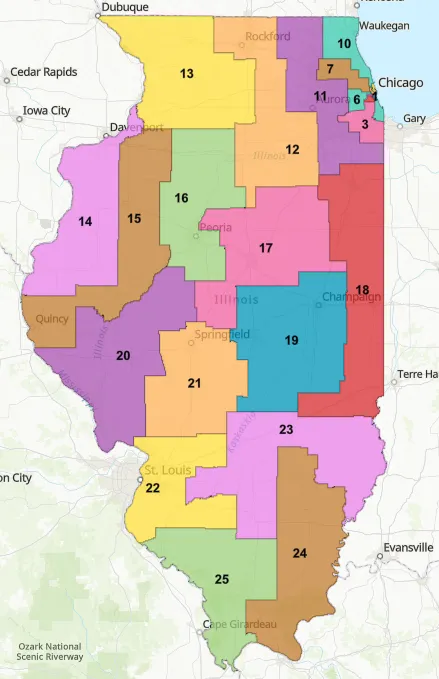
Every decade, a quiet but consequential battle unfolds in state capitols across America—one that determines not just who wins elections, but whether competitive elections are possible at all. Through sophisticated data tools and closed-door negotiations, partisan mapmakers are increasingly engineering electoral outcomes with surgical precision. Understanding how district lines get drawn is essential to understanding why so many American voters feel their choices no longer matter.

The Turnout Trap: How Low-Participation Primaries Are Pulling American Politics to the Extremes

The Turnout Trap: How Low-Participation Primaries Are Pulling American Politics to the Extremes

Primary elections, designed to give voters a direct hand in selecting party nominees, have instead become a mechanism for elevating ideologically outlying candidates who bear little resemblance to the broader electorate. A combination of chronically low turnout, safe district geography, and motivated-minority dynamics has produced a nomination system that rewards ideological purity over governing capacity. The structural forces at work are well understood; the political will to address them rema

Forgotten America: How the Electoral College Turns 40 States Into Political Afterthoughts

Forgotten America: How the Electoral College Turns 40 States Into Political Afterthoughts

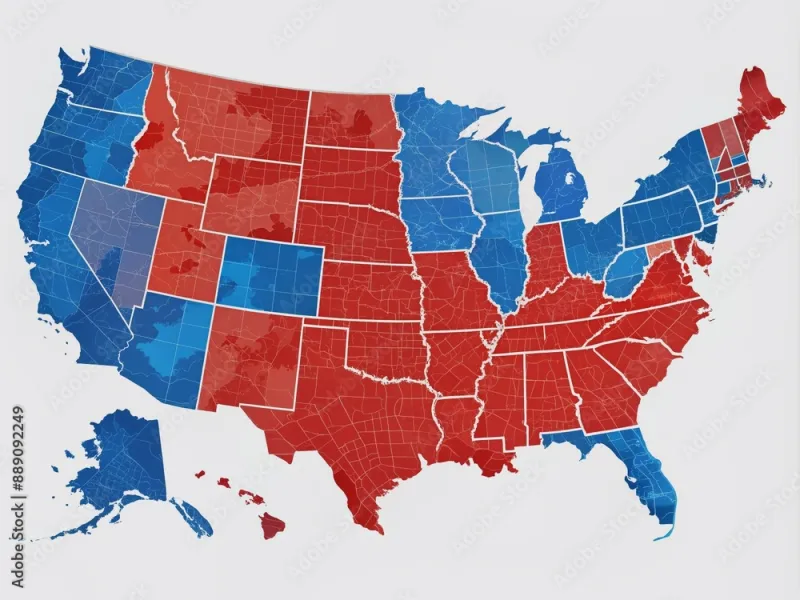
Every four years, presidential campaigns pour billions of dollars and countless hours into a handful of competitive states while systematically ignoring the vast majority of the country. This structural imbalance, baked into the Electoral College, raises serious questions about whether American democracy is truly functioning as designed—and what reforms could change the calculus.